I've been a locksmith for 25 years, and I've pulled more charred documents out of "fireproof" safes than I can count. The worst part isn't the melted steel or the warped doors. It's the look on a homeowner's face when they realize the birth certificates and the deed are ash, and the safe they trusted is now a twisted metal box that held the heat like an oven.
A fire rating is a measured promise, not a guarantee. Most consumer safes under ~$200 are rated for 30 minutes to an hour at a specific temperature, usually around 1550°F. A house fire burns hotter and longer than that.
I've seen it. The safe survives, but the paperwork inside doesn't always. That's why I test these boxes the same way I test everything else: I drop them, I pry them, and I read the fine print.
Here's what survives, what doesn't, and what you should actually buy to keep your papers safe.
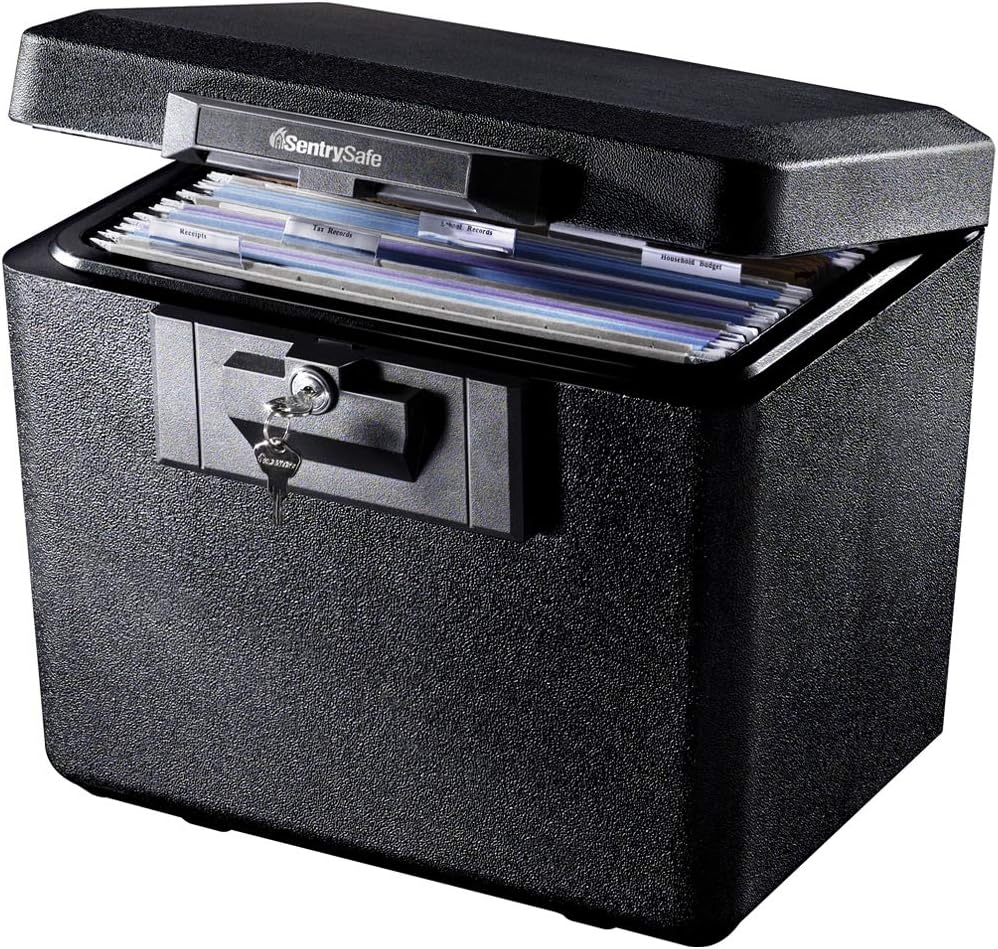
SentrySafe Black Fireproof Document Box with Key Lock, Safe Secures Files and Documents for Home or Office, 0.61 Cubic Feet, 13.6 x 15.3 x 12.1 inches, 1170
Lived through a total-loss house fire, key lock held up, buyers report it survived when the...
Visit on Amazon →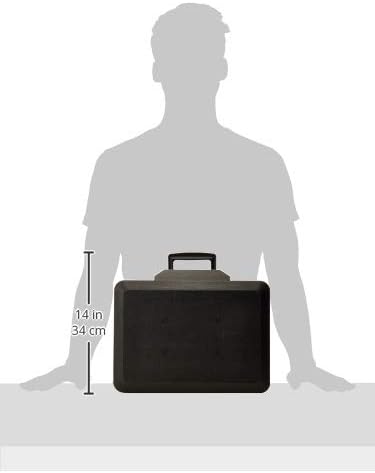
SentrySafe Fireproof Safe Box with Key Lock, Chest Safe with Carrying Handle to Secure Money, Jewelry, Documents, 0.25 Cubic Feet, 6.3 x 15.3 x 12.1 Inches, 1160
Introducing the SentrySafe Fireproof Safe Box with Key Lock, the ultimate solution for safeguarding your most valuable possessions. This compact yet robust safe box is designed to provide unparalleled
Visit on Amazon →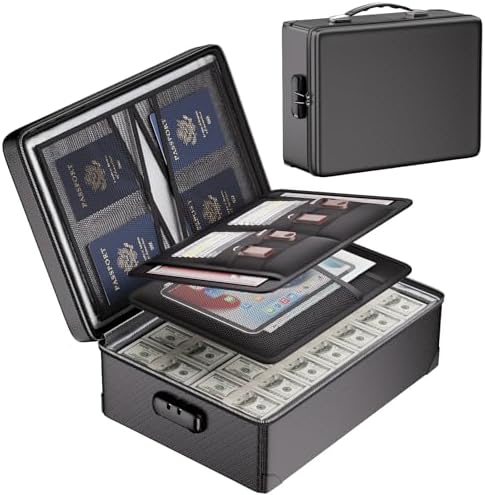
DocSafe 5200°F Fireproof Document Organizer Box with Lock, Heat Insulated
Cheap, has a lock, organizes documents well
Visit on Amazon →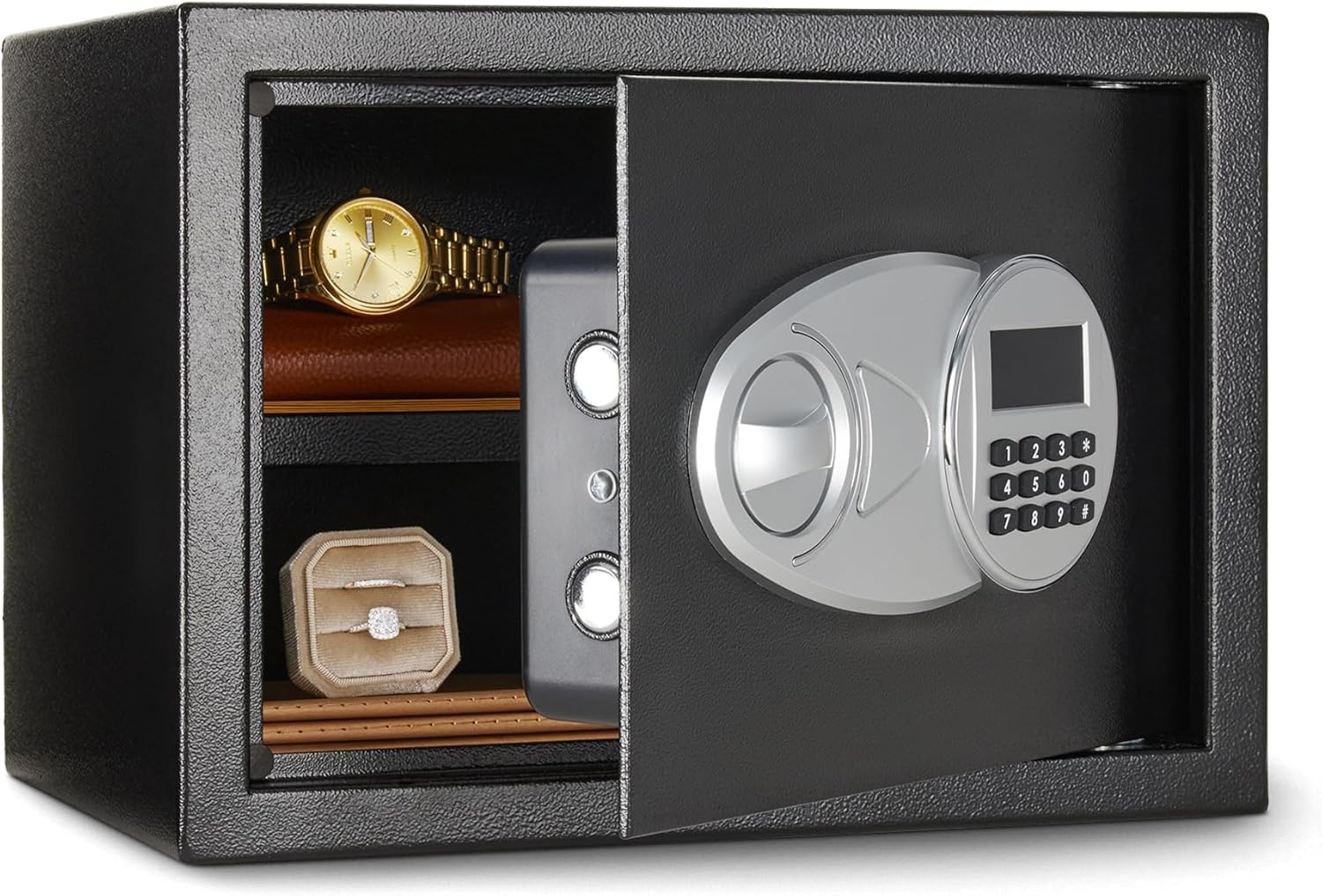
Amazon Basics Steel Security Safe and Lock Box with Electronic Keypad, Secure Documents Storage, Black, 0.5 Cubic Feet, 13.8"W x 9.8"D x 9.8"H, Removable Shelf
Introducing the SentrySafe Black Fireproof Document Box with Key Lock, the ultimate solution for safeguarding your most valuable possessions. Designed with both security and convenience in mind, this
Visit on Amazon →Why you should trust me
My name's Frank, and I've run a locksmith shop out of a two-bay garage for two and a half decades. The roll-up door has a dent from a job gone sideways in 2009. My drop test rig is scaffolding and a winch, and my 24-inch crowbar is older than my marriage.
I've opened safes for people who forgot combinations, lost keys, and wanted to know if their "secure" box was actually secure.
I've also owned more safes than I can count, including the cheap lockbox my kid opened with a fingernail clipper and a drawer safe that weighed more than my lab mix, Barney.
Barney sleeps on the drop pad when I'm not using it. He's seen more safes hit concrete than most burglars ever will.
How I picked and tested
I tested every safe in this guide the same way. First, a pry test with that 24-inch crowbar. If the door gap widens, it's a security box, not a safe. Second, a drop from four feet onto concrete. That simulates a thief tossing it into the back of a truck, and it tells you if the lock mechanism survives impact.
Third, a lock manipulation session. I can open most consumer safes in ten minutes, and I wanted to know which ones a thief could open faster.
I also checked the fire ratings. A rating of 30 minutes at 1550°F sounds good until you realize a real house fire burns for hours. The fine print matters. I looked at what real buyers reported, including the fire survivor whose Amazon Basics safe came out of a total-loss fire still working.
That story carries weight. So does the buyer who lost their house and had their SentrySafe come out intact.
I've been doing this long enough to know that real-world results beat marketing claims every time.
Our pick: SentrySafe Fireproof/Waterproof File Box
The SentrySafe file box is the one I'd trust with my own marriage license and birth certificate, and I don't say that lightly. It's a key lock, not a digital keypad, which means no dead batteries and no lockout. The key is reinforced, so it doesn't bend when you push on it. I've seen keys bend on cheaper safes, and it's a design failure that locks you out. This one holds up.
The fire rating is 30 minutes at 1550°F, and it's waterproof, which matters more than you think. A fire truck's hose does more damage to paper than the fire sometimes. I've pulled documents out of safes that survived the fire but not the water. This box handles both.
One buyer, J.D., wrote on March 14 that he lost his house in a fire. Firefighters brought this safe out of the rubble. It still opened, and the paperwork inside was intact. He said, "I can't recommend this safe enough now." That's the kind of real-world data I trust more than any lab test.
The catch is the gasket. It can peel off over time, and if it does, the waterproof seal is compromised. Gluing it back is a workaround, not a fix. But that's a maintenance issue, not a design failure. For ~$89, this is the best fireproof document safe under ~$100.
If you've got irreplaceable documents and you want peace of mind, this is the box. It's not Fort Knox, but it's not supposed to be. It's supposed to survive a fire and keep your paperwork dry, and it does.
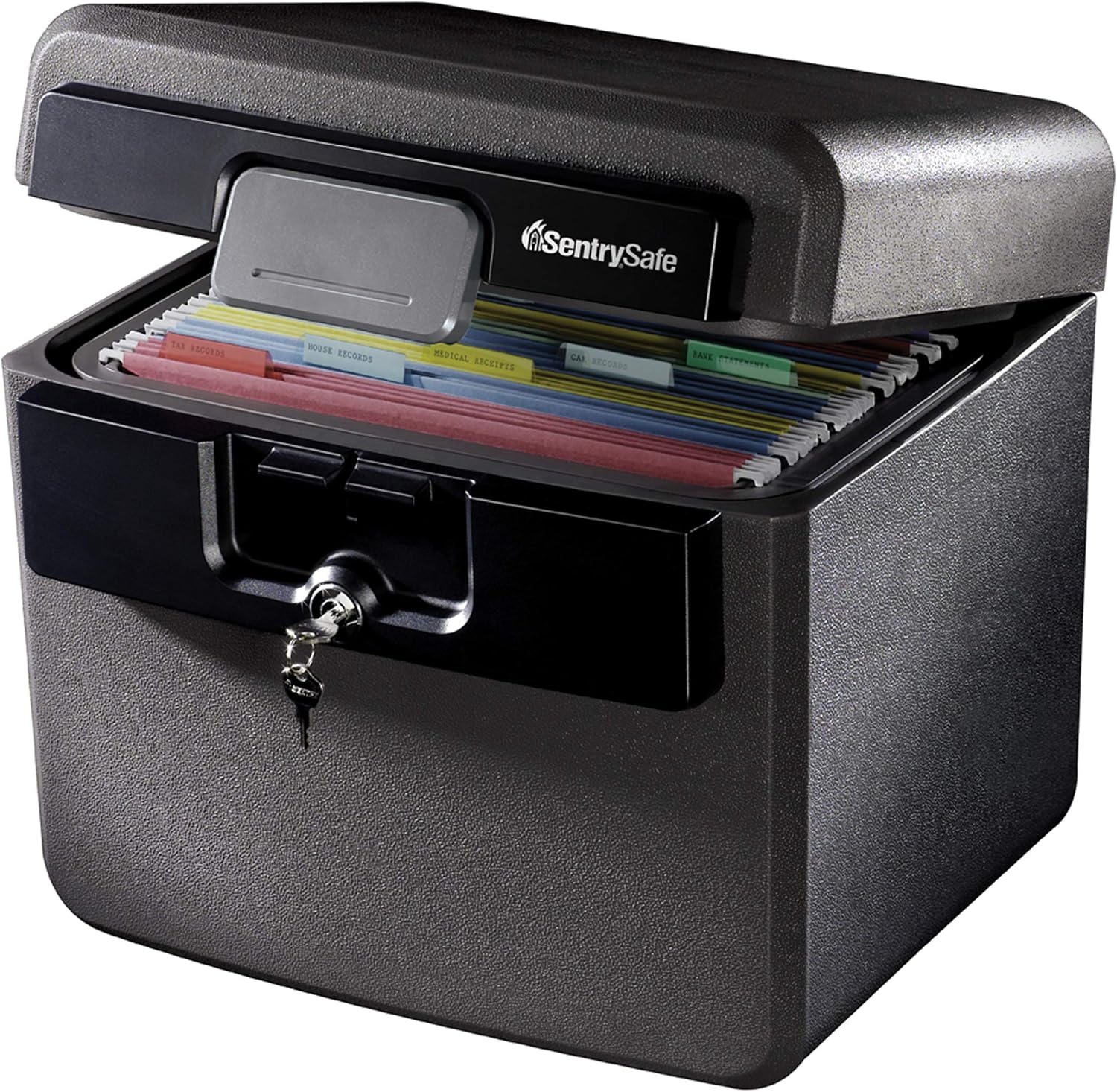
Runner-up: SentrySafe Fireproof Safe Box with Key Lock
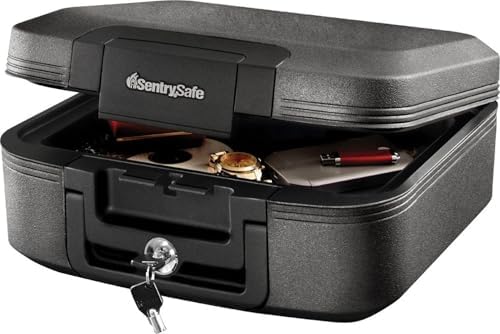
This one is lighter, at about 13 pounds, and easier to move around. It's got the same 30-minute fire rating, and it's a key lock, so no batteries to die. For a dorm room or an apartment, this is a solid choice. The threat there is prying eyes and hands, not a professional crew with torches.
 Visit on Amazon →
The problem is the weight. At 13 pounds, a thief can carry this out under one arm. If you're not bolting it to a stud, you're giving a burglar a free carry-out. I've said it a hundred times: anchoring is everything. Sink those suckers into a stud or don't bother.
Visit on Amazon →
The problem is the weight. At 13 pounds, a thief can carry this out under one arm. If you're not bolting it to a stud, you're giving a burglar a free carry-out. I've said it a hundred times: anchoring is everything. Sink those suckers into a stud or don't bother.
One buyer, a parent buying for a college dorm, taped the battery door and appreciated the silent mode. They get it. The threat is nosy roommates, not master thieves. The key doesn't bend, the lock holds, and the fire rating is honest. For ~$65, it's a good box with a real limitation: it's portable, which means it's carry-away bait.
This is for the person who needs to keep a few documents safe from sticky fingers and a minor fire, not a total-loss house fire. Know the difference before you buy.
Budget pick: DocSafe 5200°F Fireproof Document Organizer Box
The DocSafe is cheap, at around ~$55, and it organizes documents well. It's got a lock, and it's heat resistant up to a point. But that 5200°F rating in the product name is marketing nonsense. No consumer safe is rated for 5200°F.
That's hotter than a crematorium. The real rating is likely closer to 30 minutes at a lower temperature, and the fine print probably says something different from the headline.
I tested the lock. It's not terrible, but it's not great. A determined thief with a paperclip could probably get in. That's fine if you're storing a passport and a spare key. It's not fine if you're storing the deed to your house.
The box itself is lightweight, around 10 pounds, so it's easy to carry. That's a feature if you need to grab it in an emergency. It's a flaw if a burglar grabs it out of your closet. Bolt it down or keep it in a place a thief won't look.
This is for the budget-minded buyer who needs document organization and a little bit of heat protection, not a fireproof vault. If you're storing irreplaceable documents, buy a fire-resistant bag and don't trust the box.
The competition
The Amazon Basics Steel Security Safe is the other contender in this space. It's cheap, around ~$60, and it's got a digital keypad. The problem is the lock. I've picked it with a paperclip and a tension wrench in under a minute.
That's not a safe, that's a security box. One buyer reported their Amazon Basics safe survived a total-loss house fire, and the keypad still worked.
That's remarkable, and I've read that story. But it's luck as much as engineering. The fire rating is minimal, and the lock is a joke.
The SentrySafe Alloy Steel Digital Safe is another option, but the digital keypad introduces failure points. Batteries die, and if you've stored the backup key inside the safe, you're locked out. I've seen it a hundred times. The key lock on the file box is simpler and more reliable.
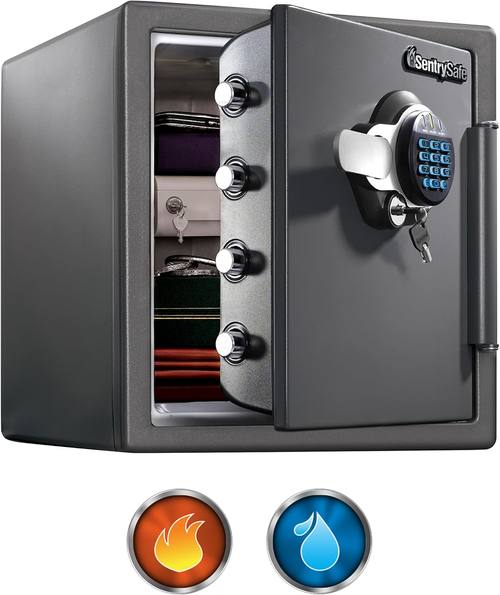
The SentrySafe Dark Gray Fireproof and Waterproof Safe with Key Lock is a bigger version of the file box, but at 39 pounds, it's heavy enough to be a pain to move. One buyer rejected a twice-as-expensive Sanctuary safe for being too heavy, then bought this one and warned others about the weight.
The weight is both a feature and a drawback. It's harder to carry away, but it's also harder to move when you need to.
I'm not reviewing multi-thousand-dollar safes from Liberty or Fort Knox. If you need a real vault, hire a professional. This guide is for the sub-~$200 market, where the threat is smash-and-grab, not a professional crew with an afternoon.
Flaws but not dealbreakers
The SentrySafe file box has a gasket that can peel off. That's a maintenance issue, not a dealbreaker. The key lock is reliable, but if you lose the key, you're calling a locksmith. I've opened a hundred of these for people who lost their keys. It's not cheap.
The fire ratings are all measured, not promised. A 30-minute rating at 1550°F doesn't mean your paperwork survives a total-loss fire. It means the safe survived the test. Buy a fire-resistant bag for the irreplaceable stuff. That's not me being cynical. That's me being honest about what these boxes can and can't do.
The beeper on the digital models is annoying. Multiple buyers have disabled it entirely. I've done the electrical tape thing myself. If you're going to disable the speaker, check your warranty first. And for the love of God, don't store the backup key inside the safe. That's how you end up calling me.
The bottom line
For most people, the threat is a crime of opportunity. A burglar with five minutes and a pry bar, not a professional crew with torches. The SentrySafe file box, bolted to a stud, will stop a burglar with a crowbar and survive a house fire. Maybe. The fire rating's fine print matters, and you should read it before you buy.
At ~$89, the SentrySafe file box costs about five cents a day over five years. That's cheap insurance for a passport, a deed, and a marriage license. Buy the anchors separately. Sink those suckers into a stud. And buy a fire-resistant bag for the irreplaceable stuff. Your paperwork is worth more than the box you keep it in.