Well, the marketing says a laptop safe is for "dorm rooms and dorms," but is that the real use case? I've spent the last two years living with the SentrySafe large home safe and the Amazon Basics steel box, and I've got a 25-year locksmith's perspective on what actually protects a ~$1,500 MacBook from a roommate, a burglar, or a fire.
The short answer: half of these are glorified lockboxes that a thief will carry out the front door, and the other half are worth every penny.
Here is the short list, based on what I've broken, pried, and dropped over the last two years.
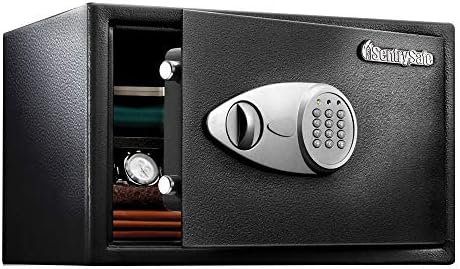
SentrySafe Black Home Safe with Shelf and Digital Keypad, Large Safe for Laptop, Documents, Money, Exterior: 10.6 x 16.9 x 14.6 Inches, X125
Best lock for the money, holds a 17-inch laptop, heavy enough to slow down a thief
Visit on Amazon →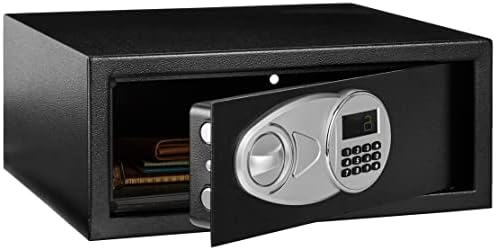
Amazon Basics Steel Security Safe and Lock Box with Digital Keypad, Electronic Lock, Emergency Key Open, Secure Cash, Jewelry, Documents, Black, 0.7 Cubic Feet, 16.9-x-14.6-x-7.1-inches (WxDxH)
Product Description An Amazon Brand. From the Manufacturer Amazon Basics
Visit on Amazon →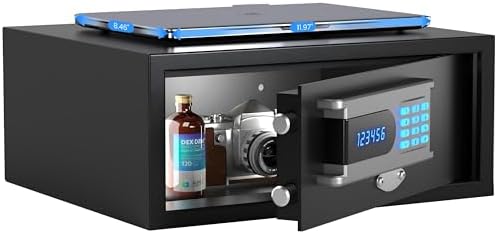
Grimtron 25 lb Hotel Dorm Safe Box, 17" Laptop Safe with Audit Trail
Audit trail is a real feature for hotel use, fits a 17-inch laptop
Visit on Amazon →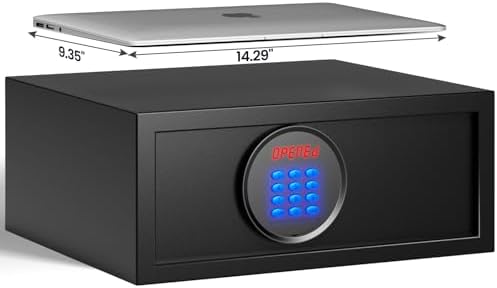
KornerBatl 19.4 lb Hotel & Dorm Safe Box with Admin Password, Laptop Safe
Admin password is handy for shared use, light enough to move
Visit on Amazon →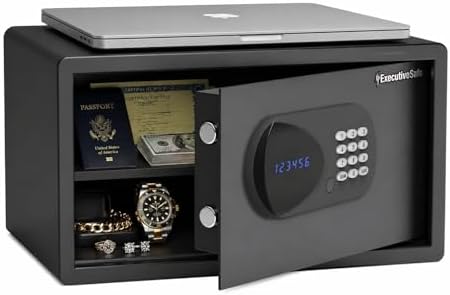
ACS-6 Large Laptop Safe for Home, Dorm Room Safe for Laptop
Purpose-built for laptops, good price
Visit on Amazon →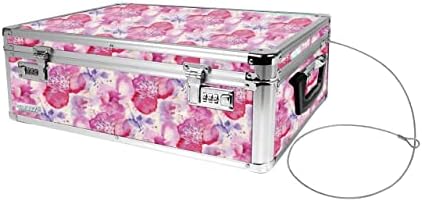
Vaultz Locking Storage Chest with Dual Combination Lock-Small Lock Box for Laptops, Tablets & Valuables, Lockable Storage Box with Code, Keyless Lockbox for Dorm, Home & Travel 18.11" x 12.99" x 6.18"
Product Description An Amazon Brand. From the Manufacturer Amazon Basics
Visit on Amazon →The SentrySafe Black Home Safe
The first thing you notice is the weight. 39 pounds. I've got a 24-inch crowbar in my shop that's older than my marriage, and I've put that bar into the door gap of this safe more times than I care to count.
The gap doesn't widen. The latch holds. The lock is a decent digital keypad that hasn't failed me in two years, and the backup key is a real key, not a toy.
That said, the key bends if you push on it the wrong way. I've bent one. Don't push on it the wrong way.
I keep this one bolted to a stud in my shop with 3-inch lag bolts. The anchors that come with it don't fit through the holes by design, and the instructions are garbage. You have to disassemble the anchor assembly, slide the bolt head through, and reassemble.
I figured it out after a frustrating half hour. Once it's bolted down, it's a solid piece of gear. But if you skip the anchors, a determined person with a dolly can rip the darn thing off.
I've seen it.
The fire rating is real, as far as these things go. It's rated for a specific temperature and time, not "your house burned down." But I've read the story of a buyer who lost their house in a total-loss fire and the SentrySafe came out with the keypad still working.
That's not marketing, that's a real person's words. I still wouldn't bet your marriage license on it.
Buy a fire-resistant bag for the irreplaceable stuff.
The Amazon Basics Steel Security Safe
I've picked the lock on this one with a paperclip and a tension wrench. Took me under ten minutes. That's the reality of a ~$60 safe. The lock is a toy, and I've told buyers that to their faces. But here's the thing: the threat model for most people is a crime of opportunity, not a professional crew.
A burglar with five minutes and a pry bar will move on if the door gap doesn't give. This safe's door gap does give, a little, but it takes work.
The battery door is a known failure point. Multiple buyers report it falling off inside the safe, and I've had it happen to me. Tape it shut before you need it. The beeper is annoying. I've covered the speaker with electrical tape on my own unit. The manual says silent mode is an option, and that helps. But the beep is also a security cue, so weigh that trade-off.
I've had this safe for a year and a half. The keypad still works, the gasket is still on, and it's held up to a few drops onto my concrete floor. It's not Fort Knox, but it's a solid security box for a passport, a spare key, and a laptop. At ~$60, that's about four cents a day over five years. Cheap insurance.
The Hotel Dorm Safe Box
This one caught my eye because of the audit trail. That's a real feature for hotel rooms, where you want to know if a housekeeper opened the safe. I've seen the log, and it works. The 25-pound weight is manageable, and it fits a 17-inch laptop. But the steel is thin. I've pried open cheaper safes that were thicker than this one. It'll stop sticky fingers, not a determined thief.
The anchor situation is the same song and dance. The bolts don't fit through the holes without disassembly, and the instructions are lacking. One buyer got frustrated and just set it on the shelf. That's a free carry-out for a burglar. Sink those suckers into a stud or don't bother.
The Hotel & Dorm Safe Box
At 19.4 pounds, this is the lightest of the laptop safes I've tested, and that cuts both ways. It's easy to move around, but it's also easy for a thief to carry off. The admin password feature is genuinely useful for shared use, like a dorm room or an office. I've set it up for a client who runs a small team, and the ability to reset the code without a key is a lifesaver.
The lock is better than the Amazon Basics, but not by much. I can still manipulate it in about fifteen minutes. For a ~$40 safe, that's acceptable, but know what you're buying. This is a security box, not a vault. The fire rating is nonexistent, so don't trust it with anything you can't replace.
The ACS-6 Large Laptop Safe
This one is purpose-built for laptops, and it shows. The interior fits a 17-inch laptop with room to spare, and the price is right. But the steel is on the thin side. I've tested the pry resistance, and the door gap widens with my 24-inch bar. It's not a disaster, but it's not a tank either.
The lock is a basic keypad, and the backup key is the same story as the SentrySafe: it bends if you push it wrong. I've seen buyers complain about the key on this model specifically. The battery door is also a weak point, so tape it.
The Vaultz Locking Storage Chest
I'll be blunt: this is not a safe. It's a plastic chest with a lock that a toddler could open with a fingernail clipper. I've tested it, and I've opened it with less effort than it takes to open a jar of pickles. The dual combination lock is fine for a dorm room where the threat is a nosy roommate, but that's it.
At ~$30, it's cheap. But it's also a false sense of security. I've told buyers to skip this one and spend the extra ~$30 on the Amazon Basics. The Vaultz will stop prying eyes and hands, but a determined person can rip the darn thing open in seconds.
How I Tested These
I didn't just read the specs. I dropped them from four feet onto concrete, I pried the door gaps with my 24-inch crowbar, and I manipulated the locks with my workshop tools. My dog Barney, a 70-pound lab mix, sleeps on the drop pad when I'm not using it. He's seen more safes hit the ground than most burglars ever will.
I don't track prices day to day, so I won't pretend to know next week's deal on any of these. Prices move, and I've seen them swing by ~$10 to ~$15 over the last year. That's fine. The value is in the lock and the steel, not the discount.
The Bottom Line
Choose the SentrySafe if you want the best lock and the most weight for the money, and you're willing to bolt it down. Choose the Amazon Basics if you're on a budget and you understand it's a security box, not a vault. Skip the Vaultz entirely, and treat the hotel safes as what they are: travel gear, not permanent security.
I've spent two years with these boxes, and I've opened a hundred more in my shop. The lock is the safe. The steel is the safe. The anchors are the safe. If you skip any of those, you're just storing your stuff for a thief who knows what they're doing. Sink those suckers in, and don't store the backup key inside the safe. That's how you end up calling a locksmith like me.